Unlocking Global Markets: Essential Strategies for Successful International Trade
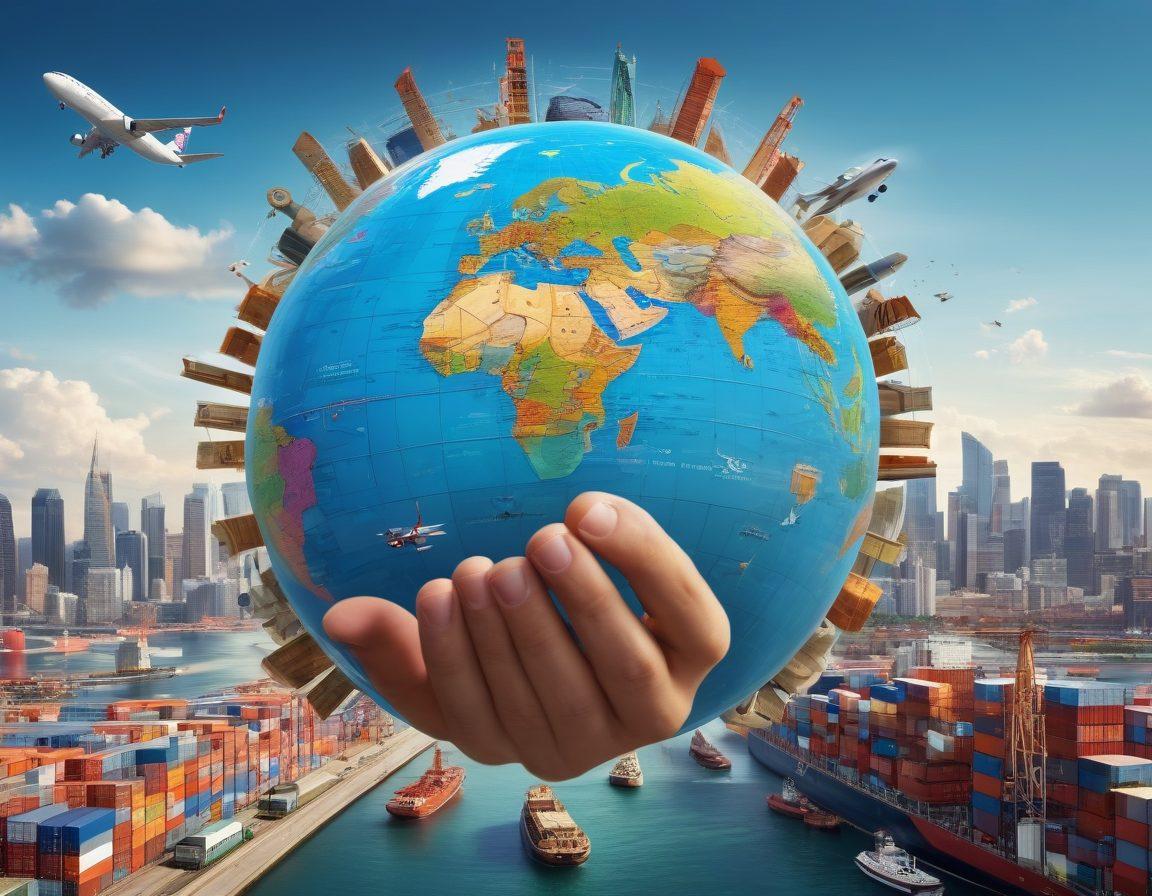
In the vibrant tapestry of global commerce, navigating the complexities of international trade can often feel like traversing a dense jungle. Each twist and turn is fraught with challenges and opportunities that can either propel your business forward or lead it astray. Have you ever considered venturing into the vast world of exporting? It’s a journey that promises not just market expansion but a thrilling adventure into the heart of diverse cultures, economies, and practices. From traversing the intricate web of logistics to mastering trade agreements, understanding the nuances of exportation is crucial for any business aiming to thrive in the global markets. So, what does it take to embark on this rewarding quest?
At the core of successful export strategies lies a solid understanding of your target market. Before plunging into international trade, ask yourself: Who are your potential customers? What do they value? What are their purchasing behaviors? Crafting a profile of the ideal buyer can provide invaluable insights into tailoring products and marketing efforts. For instance, while one country may prefer luxury packaging, others might lean towards eco-friendly materials. Mapping out these cultural nuances not only builds rapport but also fosters global partnerships that extend beyond mere transactions. Remember, a well-informed market entry strategy is your first step toward successful business export.
Once you've zeroed in on your target audience, logistics becomes the lifeline of your export operations. How will your products get from point A to point B? Efficient supply chain management is paramount in international trade. Delays can erode trust and damage relationships. The right logistics partner can streamline distribution, but finding one that understands the complexity of cross-border trade and international regulations can be a daunting task. Have you thought about embracing innovative technology to enhance your supply chain? From automated tracking systems to advanced warehousing solutions, these tools can significantly mitigate risks associated with exportation, ensuring that your products reach their destination in top condition and on time.
In the realm of trade finance, securing the right funding can be a game-changer for your exporting endeavors. It’s essential to understand the various financing options available, be it letters of credit, trade finance, or even government-backed loans. These instruments not only bolster your cash flow but also provide a safety net against unforeseen challenges in foreign trade. Are you prepared to educate yourself on the intricacies of trade finance? By doing so, you equip yourself with the knowledge to make informed decisions, thus enabling a smoother journey through the often turbulent waters of international commerce.
Lastly, staying updated with trade news and market trends is vital. The international trade landscape is ever-changing. New trade agreements emerge, economies fluctuate, and consumer trends shift. Keeping your finger on the pulse of global markets will help you to adapt and devise effective business strategies. Participate in trade fairs, subscribe to relevant business blogs, and engage with thought leaders in international business. Not only do these actions keep you informed, but they also expand your network of contacts in the industry. In this interconnected world, who knows what opportunities might arise from a simple conversation at a trading summit?
In conclusion, while the journey of exporting and navigating the complexities of international trade can be challenging, it is also filled with potential rewards. By understanding your market, streamlining logistics, securing financing, and staying informed, you pave the way for successful business export. Remember, every successful exporter started with a dream, a market insight, and the courage to take that first step into the unknown. So, gear up, stay curious, and prepare to unlock the door to new markets, opportunities, and the exhilarating world of international trade.
Strategies to Expand Your Business into Global Markets: From Logistics to Trade Agreements
In today's rapidly evolving digital age, the world is more interconnected than ever before. For entrepreneurs and established companies alike, the dream of expanding their business into global markets is becoming an achievable reality. But let me pose a question for you—what does it really take to thrive in the world of international trade? From navigating the complexities of logistics to understanding various trade agreements, the path to successful market expansion is laden with opportunities and challenges. Strap in, because we’re about to uncover the essential strategies to help you embark on this exciting journey of exporting and international commerce.
First and foremost, understanding the logistical landscape is crucial for any business looking to make a mark on global markets. Think of logistics as the backbone of your trading operation—the seamless flow of goods from point A to point B. It involves everything from the physical movement of products to handling customs regulations in foreign countries. When it comes to market entry, optimizing your supply chain can make or break your success. As the famous saying goes, 'Failing to plan is planning to fail.' So, take time to create a solid logistics strategy that aligns with your business export goals.
This leads us to another vital aspect of expanding your business into international trade: establishing robust trade partnerships and understanding trade agreements. Did you know that there are countless trade agreements designed to facilitate import-export activities between countries? These treaties often create favorable conditions for cross-border trade, providing reduced tariffs and other benefits. So, how can you leverage this information? Start by researching existing trade agreements that pertain to your business sector. Being informed will empower you to engage effectively with local distributors and potential partners, creating avenues for success in your international business ventures.
But let’s not overlook the financial landscape—what about trade finance? Engaging in global trade often involves financial complexities that can be daunting, especially for fledgling businesses. But don’t let that intimidate you; understanding the financial side of exporting can enhance your market expansion strategy. Securing trade financing options, such as letters of credit or export credit insurance, can provide a safety net as you navigate the waters of foreign commerce. By effectively managing your cash flow and reducing risks associated with trade, you can focus on what really matters—growing your business.
Ultimately, the key to success in international trade lies in your adaptability and willingness to learn. The world of global markets is constantly changing, influenced by economic development, regulatory shifts, and emerging market trends. Reading about the latest trade news and insights in a business blog or trade blog tailored to your area can keep you ahead of the curve. Remember, market expansion is as much about cultivating relationships as it is about selling products. So embrace the journey, be proactive in building global partnerships, and remember that every step you take brings you closer to becoming a player in the bustling world of international business. Are you ready to make your mark?
Maximizing Opportunities in Foreign Trade: Essential Techniques for Market Entry and Economic Development
In today's interconnected world, the allure of foreign markets beckons entrepreneurs and businesses alike. The opportunity to expand beyond domestic borders, to harness the potential of global trade, is a dream for many. But as we step into the vibrant realm of international trade, the question arises: how can one capitalize on these vast opportunities? From understanding logistics to navigating trade agreements, the key lies in crafting effective strategies for market entry and economic development. Imagine waking up to discover that your company’s exports are flourishing in markets you once thought inaccessible. How do you get there?
Maximizing opportunities in foreign trade requires a blend of knowledge, planning, and finesse. One of the foundational steps is honing a clear understanding of the target market. Each nation carries its tapestry of culture, economic environment, and regulatory landscape. A well-thought-out market expansion strategy must take these factors into account. For instance, think of a business that wanted to enter a new frontier: it wasn’t merely about exporting products but adjusting their approach. They engaged local partners, conducted market research, and adapted their offerings. This leads to the question: how well do you know the markets you wish to enter?
Logistics and supply chain management play a pivotal role in the intricate dance of international commerce. The journey of an export begins long before a product reaches its foreign destination. Efficient shipping, warehousing, and customs compliance are vital components that can make or break your trading success. A compelling quote to keep in mind is from renowned businessman Richard Branson: "Business opportunities are like buses, there’s always another one coming." But without the right logistics in place, that bus may well pass you by. Are you prepared to manage the intricacies of cross-border trade?
Trade finance is another cornerstone in the foundation of successful international business. Understanding trade financing options, such as letters of credit and trade credit insurance, can significantly mitigate risks associated with exporting. How is your company preparing to wield the financial tools that ensure smooth transactions and safeguard against uncertainties in the global market? If your business is not yet leveraging these financial strategies, now is the time to explore your options and minimize exposure in the world of foreign trade.
Building global partnerships is crucial in maximizing opportunities across borders. Collaborating with local businesses not only eases the market entry process but also enriches your understanding of the new landscape. Networking and nurturing relationships can lead to successful negotiations and a more robust business export strategy. As you continue your journey into global markets, remember that knowledge is power. Stay updated with trade news, engage with trade blogs, and share your insights with peers. Your venture into foreign trade can shape not only your business but contribute to wider economic development. Embrace the challenges, seize the opportunities, and watch as your business blossoms in the vibrant tapestry of international trade.